



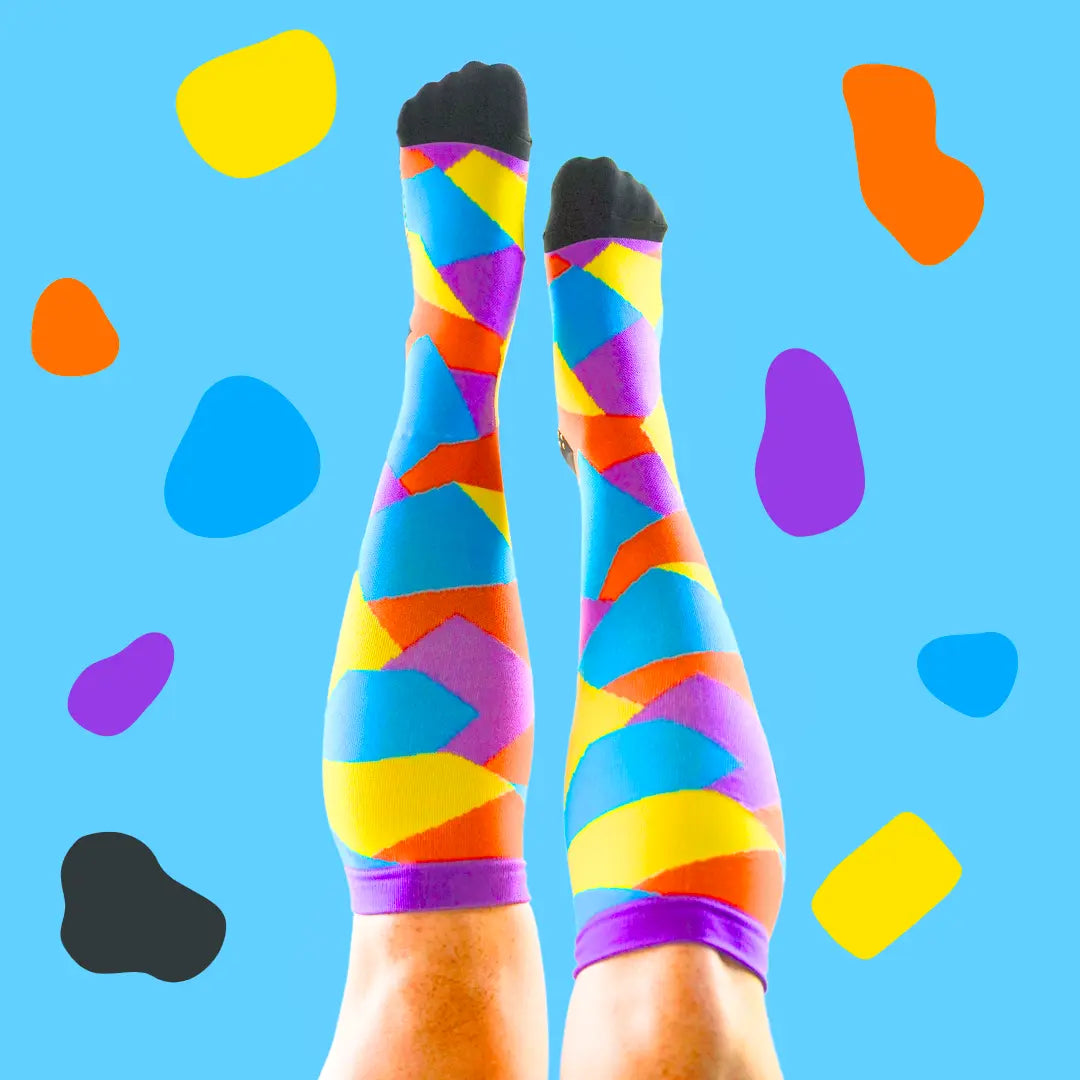


Yes, compression socks can help manage certain circulation-related symptoms associated with neuropathy, but they do not cure neuropathy or repair nerve damage. By applying graduated compression, they help improve blood circulation, reduce swelling, minimise blood pooling, support oxygen delivery to the lower limbs, and relieve feelings of heaviness caused by poor circulation. These benefits can improve day-to-day comfort for some people with peripheral neuropathy or diabetic neuropathy, particularly when poor circulation contributes to their symptoms.
That said, compression socks are not suitable for everyone or every type of neuropathy. Choosing the correct compression level, wearing them for the appropriate duration, understanding the potential risks, knowing when to avoid them, and selecting the right fit are all important for safe and effective use. This guide explains how compression socks work, their benefits and risks, when and how long to wear them, who should avoid them, and how to choose the best compression socks for neuropathy.
What Are Compression Socks For Neuropathy?
Compression socks for neuropathy are specially designed graduated compression garments that apply the greatest pressure at the ankle and gradually reduce pressure towards the calf. This graduated compression helps improve blood flow, reduce leg and ankle swelling, and may ease circulation-related symptoms, such as tingling, aching, and tired legs. While they can support circulation and improve comfort, they do not cure neuropathy or repair nerve damage. Neuropathy develops when the nervous system is damaged by conditions such as diabetes, chemotherapy, vitamin deficiencies, or certain neurological disorders.
What is Neuropathy?
Neuropathy is a condition that involves damage, dysfunction, or disruption outside the brain and spinal cord, affecting the rest of the body. It can develop due to diabetes, chemotherapy, vitamin deficiencies, alcohol misuse, infections, autoimmune conditions, or physical nerve injuries. Depending on which nerves are affected, neuropathy may cause symptoms such as numbness, tingling, burning sensations, sharp or stabbing pain, muscle weakness, impaired balance, and decreased sensitivity to touch or temperature. Early diagnosis, managing the underlying cause, and appropriate treatments can help slow its progression, reduce symptoms, and protect long-term foot health and mobility.
Are neuropathy socks the same as compression socks for Neuropathy?
Not totally, Neuropathy socks are typically designed to improve comfort by reducing friction, managing moisture, and protecting sensitive skin. Many resemble diabetic socks, offering a seamless design, soft cushioning, and a non-binding cuff without applying significant compression. They are suitable for people with diabetic neuropathy or sensitive feet who need protection rather than compression.
By contrast, compression socks for neuropathy apply graduated compression, with the highest pressure at the ankle that gradually decreases towards the calf. Compression socks are available in different compression levels, measured in millimetres of mercury (mmHg).
Common compression levels include:
-
8–15 mmHg: Mild compression that may help relieve tired or achy legs during everyday activities.
-
15–20 mmHg: Mild to moderate compression is often used to support healthy circulation, reduce mild swelling, and provide comfort during prolonged sitting, standing, or travel.
-
20–30 mmHg: Medical-grade compression is commonly recommended for chronic venous insufficiency, moderate edema, or varicose veins. This level should generally be worn under medical advice, particularly for people with peripheral neuropathy or diabetic neuropathy.
-
30–40 mmHg: High medical-grade compression is prescribed for more serious circulatory or lymphatic conditions and should only be used under the supervision of a healthcare provider.
How Do Compression Socks for Neuropathy Work?
Compression socks for neuropathy work by applying graduated compression, with the highest pressure at the ankle and a gradual decrease towards the calf. This pressure gradient gently compresses the veins and surrounding muscles in the lower legs, helping move blood back towards the heart more efficiently. Improved blood circulation reduces blood pooling in the feet and ankles, supports oxygen delivery to soft tissues, and helps minimise fluid build-up that can contribute to swelling and heaviness. Although compression socks do not treat nerve damage, they may help relieve symptoms that worsen with poor circulation.
What Are The Benefits of Compression Socks for Neuropathy?
Compression socks for neuropathy help improve blood circulation, reduce blood pooling, swelling, and fluid buildup, and support healthy skin, reducing the risk of circulation-related ulcers in suitable individuals. While they do not treat the underlying nerve damage, properly fitted graduated compression socks can help manage circulation-related symptoms and support overall lower limb health as part of a comprehensive treatment plan.
Here are 10 benefits of compression for Neuropathy that are listed and explained below:
-
Improve Upward Blood Flow
Compression socks improve venous return by applying graduated pressure that helps blood move from the feet and legs back towards the heart. Better circulation delivers more oxygen and nutrients to the lower limbs, helping reduce tiredness, heaviness, and circulation-related discomfort while supporting healthier muscles, skin, and soft tissues.
-
Reduce Lower-Leg Blood Pooling
Blood pooling occurs when blood collects in the lower-leg veins instead of returning efficiently to the heart. Graduated compression supports the veins, improves blood flow, and reduces venous congestion. This helps minimise leg fatigue, heaviness, and swelling while supporting healthier circulation during prolonged sitting, standing, or reduced mobility.
-
Decrease Feet and Ankle Swelling
Compression socks help reduce edema by applying consistent pressure that limits excess fluid from collecting in the feet and ankles. By supporting blood circulation and lymphatic drainage, they reduce swelling, relieve pressure on surrounding tissues, and improve comfort, making walking and everyday activities easier.
-
Improve Soft Tissue Oxygen Delivery
By improving blood circulation, compression socks help oxygen-rich blood reach the muscles, skin, and connective tissues of the lower legs and feet more efficiently. Better oxygen delivery supports tissue health, healthy skin, and overall foot care, particularly in people whose circulation has been affected by neuropathy.
-
Reduce Fluid Pressure Build-up
Graduated compression helps reduce fluid retention by encouraging excess fluid to return to the bloodstream and lymphatic system rather than remain in the tissues. Lower tissue pressure can ease discomfort, improve flexibility in the feet and ankles, and support healthier skin and soft tissues over time.
-
Support Lymphatic Fluid Movement
Compression socks support the lymphatic system by promoting the flow of excess fluid through the lymphatic vessels more efficiently. Improved lymphatic drainage helps reduce persistent swelling, supports healthy tissue function, and improves comfort, particularly for people experiencing long-term fluid retention in the lower limbs.
-
Reduce Vein Strain While Sitting
Extended periods of sitting slow blood circulation and increase pressure within the leg veins. Compression socks provide external support that promotes continuous blood flow and reduces vein strain when movement is limited. This benefit is particularly useful during travel, office work, or recovery following surgery.
-
Help Keep Feet Warmer
Poor circulation can leave the feet feeling cold because less warm blood reaches the lower limbs. Compression socks support healthy blood flow, helping improve warmth and comfort in the feet. This may be particularly beneficial for people whose neuropathy symptoms are accompanied by cold feet due to poor circulation.
-
Ease Circulation-Related Heaviness
Poor circulation often causes the legs to feel heavy, tired, or fatigued. Compression socks improve blood flow and reduce venous pressure, helping prevent blood and fluid from accumulating in the lower limbs. This can ease leg heaviness, improve comfort, and make walking or standing for longer periods easier.
-
Help Prevent Circulation-Related Ulcers
For suitable individuals, medical-grade compression socks improve circulation, reduce swelling, and support healthy skin by lowering venous pressure. These effects may help reduce the risk of venous leg ulcers associated with chronic venous insufficiency. People with peripheral artery disease or active diabetic foot ulcers should seek medical advice before use.
What Are The Possible Risks of Using Compression Socks for Neuropathy?
The possible risks of using compression socks for neuropathy may include restricted blood flow and increased pressure on damaged nerves. People with peripheral neuropathy, diabetic neuropathy, or underlying circulation disorders should consult a healthcare provider before using compression therapy.
Here are some of the possible risks of using Compression socks for Neuropathy:
-
Restrict Blood Flow if Too Tight
Compression socks that are too tight or provide higher compression than required can restrict blood flow rather than improve it. This risk is higher in people with poor arterial circulation or in those with incorrectly sized socks. Reduced blood flow may increase pain, coldness, numbness, or changes in skin colour, indicating that the socks should be removed and the area assessed.
-
Increase Pressure on Damaged Nerves
People with neuropathy already have damaged or sensitive nerves, particularly in the feet and lower legs. If compression socks are too tight or poorly fitted, they may place additional pressure on these nerves and increase discomfort, tingling, or burning sensations. Choosing the correct fit and compression level helps minimise unnecessary pressure on sensitive tissues.
-
Cause Skin Irritation or Chafing
Compression socks may cause skin irritation, redness, or chafing if they do not fit properly or are worn for extended periods without being removed. People with sensitive skin, allergies to certain fabrics, or excessive moisture are more likely to experience irritation. Proper sizing, breathable materials, and regular skin checks can help reduce this risk.
-
Leave Pressure Marks or Bruising
Temporary pressure marks around the ankles or calves are common after removing compression socks and usually fade quickly. Deep indentations, bruising, or persistent marks may indicate that the socks are too tight or incorrectly fitted. This is more likely in people with fragile skin, older adults, or those taking blood-thinning medication.
-
Delay Healing of Open Wounds
Compression socks should not be worn over open wounds, active diabetic foot ulcers, or untreated skin infections unless specifically recommended by a healthcare provider. Applying pressure to damaged skin may interfere with wound management, increase discomfort, or delay healing if the underlying condition has not been properly assessed.
-
Worsen Symptoms with Poor Fit
Compression socks that are too loose may provide little therapeutic benefit, while socks that are too tight can increase discomfort and reduce circulation. Wrinkled or bunched fabric may also create uneven pressure on the skin. A properly fitted pair is essential to ensure compression is distributed evenly across the lower leg.
-
Increase Risk of Skin Breakdown
People with severe neuropathy may have reduced sensation and may not notice excessive pressure, friction, or rubbing caused by poorly fitted compression socks. Over time, this may increase the risk of skin breakdown, blisters, or pressure injuries, particularly if the skin is already fragile or swollen. Daily foot inspections are recommended.
-
Hide Developing Foot Injuries
Neuropathy reduces the ability to feel pain, making cuts, blisters, or pressure injuries easier to miss. Compression socks can also cover the feet and lower legs, delaying the detection of developing injuries if regular skin checks are not performed. Removing the socks each day to inspect the skin helps identify problems early.
-
Aggravate Peripheral Artery Disease
People with peripheral artery disease (PAD) have reduced blood flow through the arteries supplying the legs and feet. Compression therapy may further reduce arterial circulation in these individuals, increasing the risk of tissue damage. Anyone with diagnosed or suspected PAD should seek medical advice before wearing compression socks.
-
Cause Discomfort During Prolonged Wear
Wearing compression socks longer than recommended or without regular removal may cause discomfort, particularly if swelling varies throughout the day or the socks no longer fit properly. People who experience persistent pain, numbness, excessive tightness, or skin irritation should remove the socks and consult a healthcare provider to determine whether a different compression level or size is needed.
When Should You Wear Compression Socks for Neuropathy?
Compression socks for neuropathy are best worn during prolonged standing or sitting, walking or exercise, long-distance travel, daytime activities, episodes of mild leg swelling, or when managing chronic venous insufficiency. Wearing them when needed helps improve circulation and reduce swelling. But always use according to a healthcare provider's recommendation to ensure the correct compression level and safe use.
Here's some advice on when to wear compression socks:
-
During Prolonged Standing
Wear compression socks if your job or daily routine requires you to stand for extended periods, such as in healthcare, retail, hospitality, or teaching. Prolonged standing allows blood to pool in the lower legs, increasing venous pressure and swelling. Graduated compression supports venous return, helping reduce leg fatigue, heaviness, and swelling while maintaining healthier circulation throughout the day.
-
During Prolonged Sitting
Compression socks are beneficial during extended periods of sitting, including office work, studying, or long meetings. Sitting for long periods reduces calf muscle activity, slowing blood circulation and allowing blood and fluid to accumulate in the lower limbs. Wearing compression socks helps maintain healthy blood flow and reduces the likelihood of swollen, tired, or heavy legs.
-
While Walking or Exercising
Wearing compression socks during walking, light exercise, or rehabilitation activities can provide additional support for the muscles and veins. As movement naturally improves circulation, graduated compression works alongside muscle contractions to promote venous return and reduce fluid accumulation. This may improve comfort during physical activity and support recovery afterwards.
-
During Long-Distance Travel
Long flights, train journeys, and car trips often involve sitting in the same position for several hours, increasing the risk of poor circulation and leg swelling. Wearing compression socks during travel helps maintain healthy blood flow, reduces blood pooling, and supports venous return, making long-distance journeys more comfortable.
-
When Feet or Legs Swell
Compression socks can be worn when mild swelling develops in the feet, ankles, or lower legs due to prolonged standing, sitting, or chronic venous insufficiency. The graduated pressure helps move excess fluid away from the tissues and back into the circulatory and lymphatic systems, reducing swelling and improving comfort. Sudden or severe swelling should always be assessed by a healthcare provider before compression therapy is used.
-
During Daytime Activities
Compression socks are generally designed to be worn throughout normal daytime activities when you are upright and moving around. Wearing them during the day helps support healthy circulation while gravity places greater pressure on the veins. They are typically removed before sleeping unless a healthcare provider recommends otherwise.
-
After a Doctor's Recommendation
People with peripheral neuropathy, diabetic neuropathy, diabetes, chronic swelling, or other circulatory problems should wear compression socks as advised by their healthcare provider. A doctor can determine whether compression therapy is appropriate, recommend the correct compression level, and identify any medical conditions that may make compression unsuitable.
-
When Managing Chronic Venous Insufficiency
People diagnosed with chronic venous insufficiency (CVI) are often advised to wear medical-grade compression socks as part of their treatment plan. CVI occurs when the leg veins cannot efficiently return blood to the heart, leading to swelling, aching, and skin changes. Compression therapy helps improve venous return, reduce venous pressure, manage swelling, and support long-term lower limb health.
How Long Should You Wear Compression Socks for Neuropathy?
People can wear compression socks for 8-12 hours per day, putting them on in the morning before swelling develops and removing them before bed unless otherwise advised. If you're unsure about wearing compression socks correctly, including how long to wear them for your specific needs, our detailed guide can help. The recommended wearing time depends on the compression level, your symptoms, and any underlying medical conditions, so it is best to follow your healthcare provider's advice. You should remove the socks if they cause worsening pain, numbness, changes in skin colour, or significant discomfort, and seek medical advice if these symptoms persist. Following your healthcare provider's recommendation is the safest way to achieve the benefits of compression therapy while reducing the risk of complications.
Can You Wear Compression Socks for Neuropathy Overnight?
No, compression socks for neuropathy should not usually be worn overnight unless your doctor specifically recommends it. Compression socks are designed to support blood circulation while you are upright and moving during the day. Wearing compression socks overnight is not necessary because when you are lying down, gravity has less effect on blood flow, so compression may cause discomfort or place unnecessary pressure on the skin. If you have chronic venous insufficiency, lymphoedema, or another medical condition that requires overnight compression, follow your healthcare provider's advice on the appropriate compression level and wearing schedule.
When Should You Avoid Compression Socks for Neuropathy?
Although compression socks can support blood circulation and reduce swelling, they are not suitable for everyone. Certain medical conditions can make compression therapy unsafe by reducing arterial blood flow, delaying wound healing, or increasing the risk of complications. If you have any of the following conditions, consult a healthcare provider before wearing compression socks.
-
If You Have Peripheral Artery Disease: People with peripheral artery disease (PAD) have reduced blood flow through the arteries supplying the legs and feet. Compression socks may further restrict arterial circulation, increasing the risk of tissue damage, delayed healing, and worsening symptoms.
-
If you have active diabetic foot ulcers, compression socks should generally be avoided unless specifically prescribed by a healthcare provider. Applying compression without proper assessment may interfere with wound management and delay healing.
-
If You Have Infected Foot Wounds or Cellulitis: Avoid wearing compression socks if you have an infected wound or cellulitis, as compression may worsen pain, increase irritation, or complicate treatment. The infection should be properly treated before compression therapy is considered.
-
If You Have Severe Sudden Leg Oedema: Sudden or severe swelling in one or both legs may indicate an underlying medical condition that requires urgent assessment. Compression socks should not be worn until the cause of the swelling has been identified by a healthcare provider.
-
If You Suspect Deep Vein Thrombosis: A painful, swollen, or warm leg may be a sign of deep vein thrombosis (DVT). Compression socks should be avoided until DVT has been diagnosed or ruled out, as immediate medical assessment is required.
-
If Swelling Is Linked to Congestive Heart Failure: Swelling from congestive heart failure should be evaluated by a doctor before using compression socks. Compression therapy may not be appropriate for people with unmanaged or unstable heart failure.
-
People with severe diabetes: Neuropathy or significant numbness may not notice excessive pressure, rubbing, or skin injury caused by compression socks. A healthcare provider should determine whether compression therapy is safe and recommend the appropriate compression level.
-
If you have severe diabetic neuropathy or numbness, avoid compression socks; if you have severe dermatitis or pressure injuries, consult a healthcare provider. Compression may increase irritation or worsen existing skin damage.
-
If Your Diabetes Is Poorly Controlled: Poorly controlled diabetes can increase the risk of poor circulation, infections, delayed wound healing, and foot complications. Before wearing compression socks, speak with your healthcare provider to ensure compression therapy is appropriate for your condition.
-
If You Are Allergic to Sock Materials: Some people may develop skin irritation or allergic reactions to materials such as latex, synthetic fibres, or certain dyes used in compression socks. If you notice itching, redness, or a rash, discontinue use and choose compression socks made from materials that are suitable for sensitive skin.
How Should You Wear Compression Socks for Neuropathy?
Wear compression socks correctly by putting them on in the morning, ensuring a proper fit without wrinkles, checking your skin daily, and removing them before bed unless your healthcare provider advises otherwise. If you're unsure how to put on compression socks, following the correct technique can improve comfort, support healthy circulation, and reduce the risk of skin irritation or pressure-related complications.
Follow these steps when wearing compression socks for neuropathy:
-
Put them on in the morning. Wear compression socks soon after waking up, before swelling develops in your feet and ankles.
-
Ensure your skin is clean and dry. Dry skin helps the socks slide on more easily and reduces the risk of friction or skin irritation.
-
Turn the sock inside out to the heel. Place your foot into the foot section first, ensuring your heel sits correctly in the heel pocket.
-
Pull the sock up gradually. Gently roll the sock up your leg without tugging from the top. Smooth the fabric evenly to ensure the graduated compression is distributed correctly.
-
Avoid wrinkles or folds. Wrinkled or bunched fabric can create uneven pressure, leading to discomfort or pressure points.
-
Check the fit. The socks should feel snug but not painfully tight. If you notice numbness, increased pain, cold feet, skin colour changes, or deep pressure marks, remove them and check that the size and compression level are appropriate.
-
Inspect your feet daily. If you have peripheral or diabetic neuropathy, remove your socks each day and check your feet and lower legs for redness, blisters, cuts, or other signs of skin damage that you may not feel.
-
Remove them before bed unless advised otherwise. Compression socks are generally intended for daytime use and should only be worn overnight if specifically recommended by your healthcare provider.
How Do You Choose the Best Compression Socks for Neuropathy?
The ideal pair should provide the appropriate level of compression, fit properly without creating pressure points, and be made of comfortable, breathable materials. Choosing the right compression socks is important for achieving the benefits of compression therapy while reducing the risk of discomfort or complications. If you have peripheral neuropathy, diabetic neuropathy, or another medical condition affecting circulation, consult your healthcare provider before choosing compression socks.
-
Compression Level
The compression level, measured in millimetres of mercury (mmHg), determines how much pressure the socks apply to the legs. Selecting the correct level is essential because compression that is too low may not provide enough support, while compression that is too high may cause discomfort or restrict blood flow in some individuals.
-
Length
The best length depends on where your symptoms occur and the level of support required. Compression socks are available in different lengths, including ankle, crew, and knee-high styles. Knee-high compression socks are the most recommended option because they provide graduated compression from the ankle to below the knee, supporting circulation throughout the lower leg. Ankle-length socks may be suitable for mild foot symptoms but provide less support for the calf and lower-leg veins.
-
Fit and Comfort
A proper fit is just as important as the compression level. Compression socks should feel snug and supportive without causing pain, numbness, deep pressure marks, or restricting movement. The fabric should lie smoothly against the skin without wrinkles or bunching, as uneven pressure can cause irritation and reduce the effectiveness of the compression. Measuring your ankle and calf according to the manufacturer's sizing guide helps ensure the correct fit.
-
Material
Choose compression socks made from high-quality, breathable, and moisture-wicking materials that keep your feet dry and comfortable throughout the day. Soft fabrics with seamless or low-friction construction can help reduce rubbing and skin irritation, particularly for people with diabetic neuropathy or sensitive skin. If you have allergies or sensitive skin, choose materials suitable for sensitive skin and avoid fabrics that cause irritation.
-
Source
Always purchase compression socks from a trusted supplier, a reputable pharmacy, a medical equipment provider, or an established compression wear brand. Buying from a reliable source helps ensure the socks provide accurate compression levels, meet recognised quality standards, and include clear sizing information. If you require medical-grade compression, seek advice from your healthcare provider to ensure you choose the most appropriate product for your condition.