





-
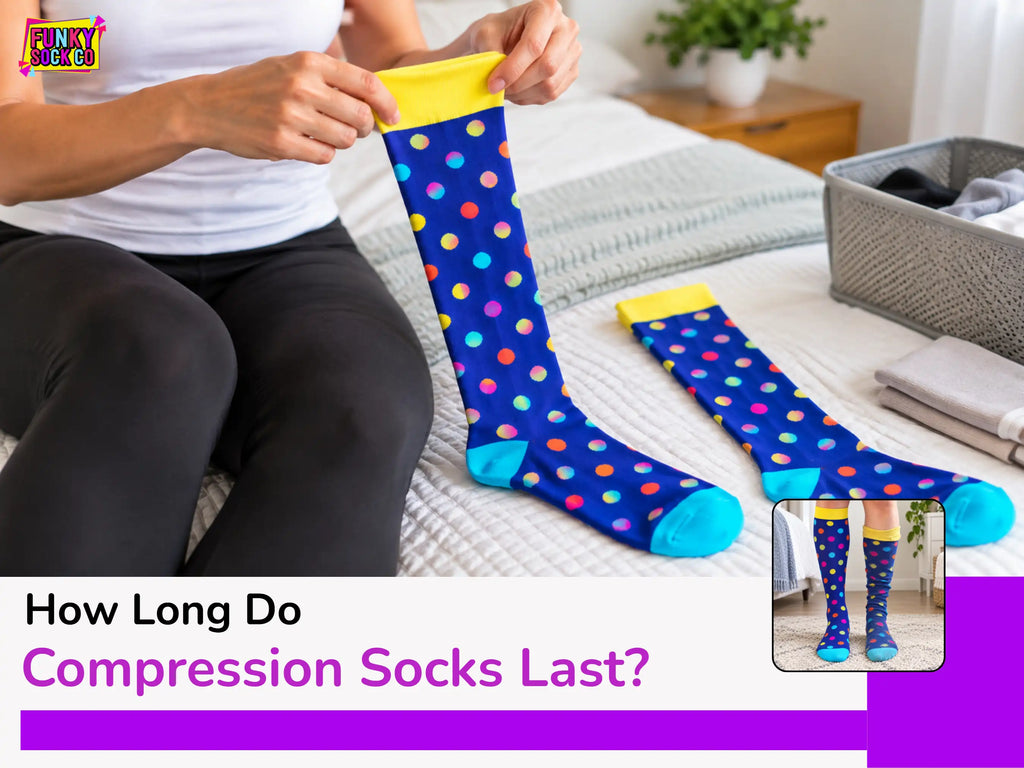
How Long Do Compression Socks Last?
Compression socks last 3 to 6 months with regular use before they can begin losing the elasticity needed to maintain their intended compression. The usable lifespan of compression socks depends on wear frequency, how often you rotate pairs, material and construction quality, proper fit, daily friction, and washing and drying habits. Loss of elasticity, easier application, sliding or bunching, stretched fabric, reduced support, changes... -
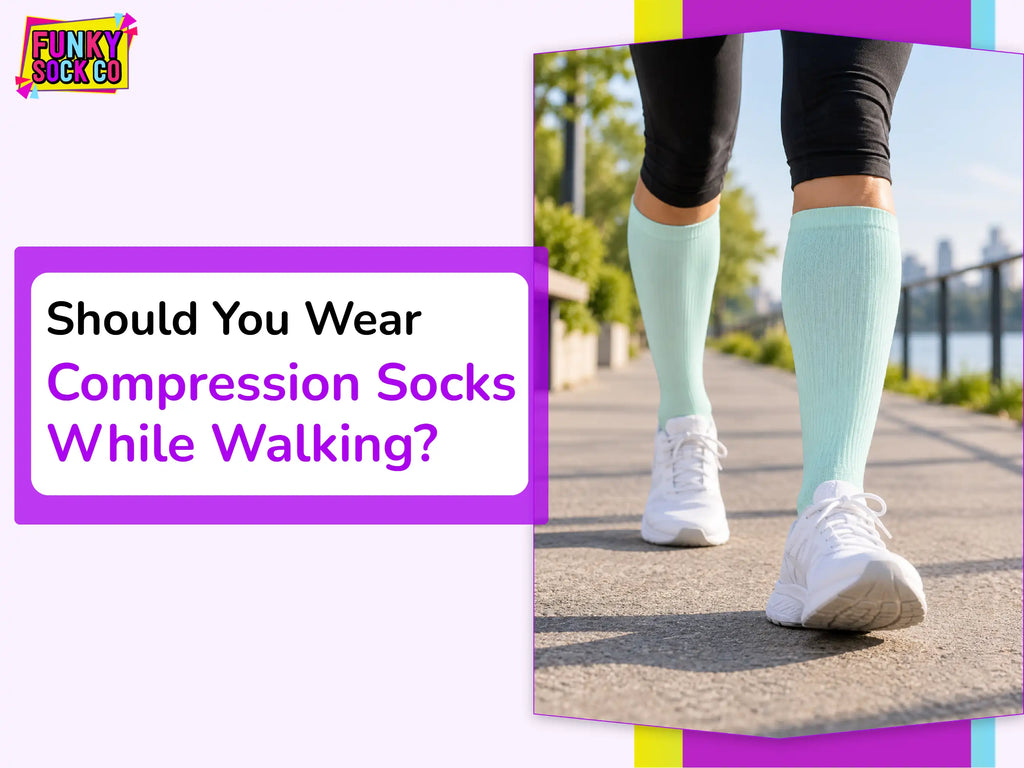
Should You Wear Compression Socks While Walking?
Yes, you should consider wearing compression socks while walking because they can reduce swelling in the feet and ankles, support venous return, limit calf fatigue and muscle soreness, aid post-walk recovery, and provide lower-leg support. They work through graduated pressure, which supports upward venous blood flow, limits fluid build-up, and complements the calf muscle pump. Properly fitted compression socks should not restrict healthy circulation... -
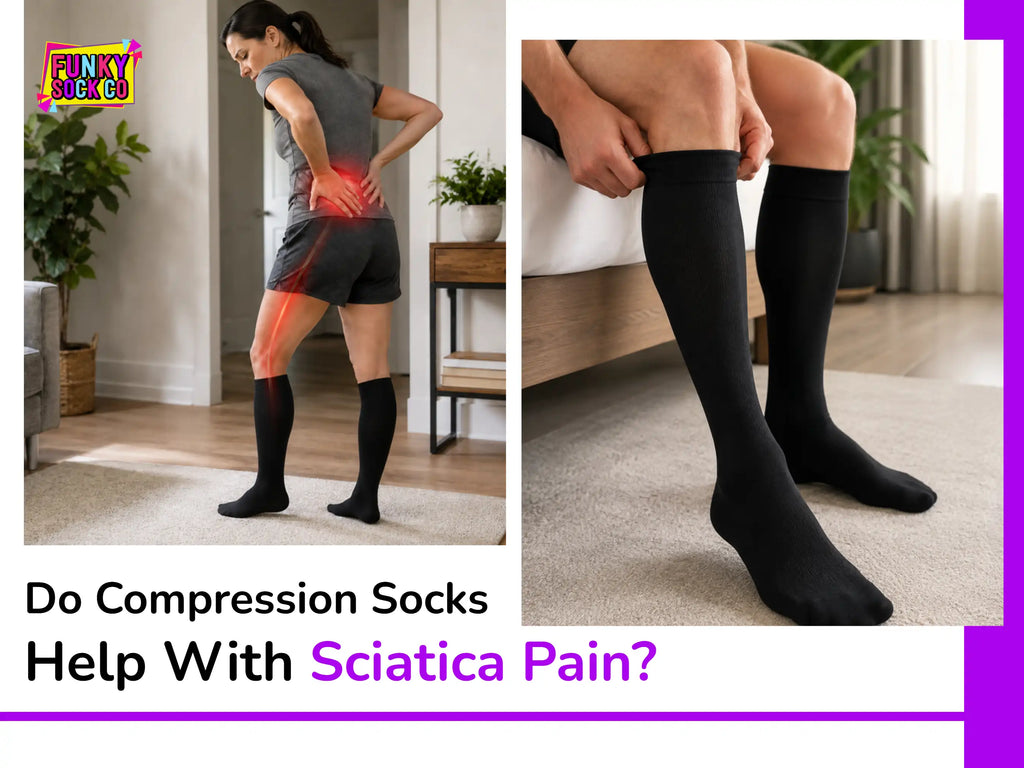
Do Compression Socks Help With Sciatica Pain?
Yes, compression socks help manage sciatica-related leg discomfort by applying graduated pressure that supports lower-leg circulation, reduces fluid build-up, and improves comfort during sitting, standing, or movement. While they do not treat sciatic nerve compression or directly relieve nerve pain, they can help manage associated symptoms such as swelling, heaviness, and fatigue. Sciatica can cause radiating leg pain, tingling, numbness, discomfort during sitting... -
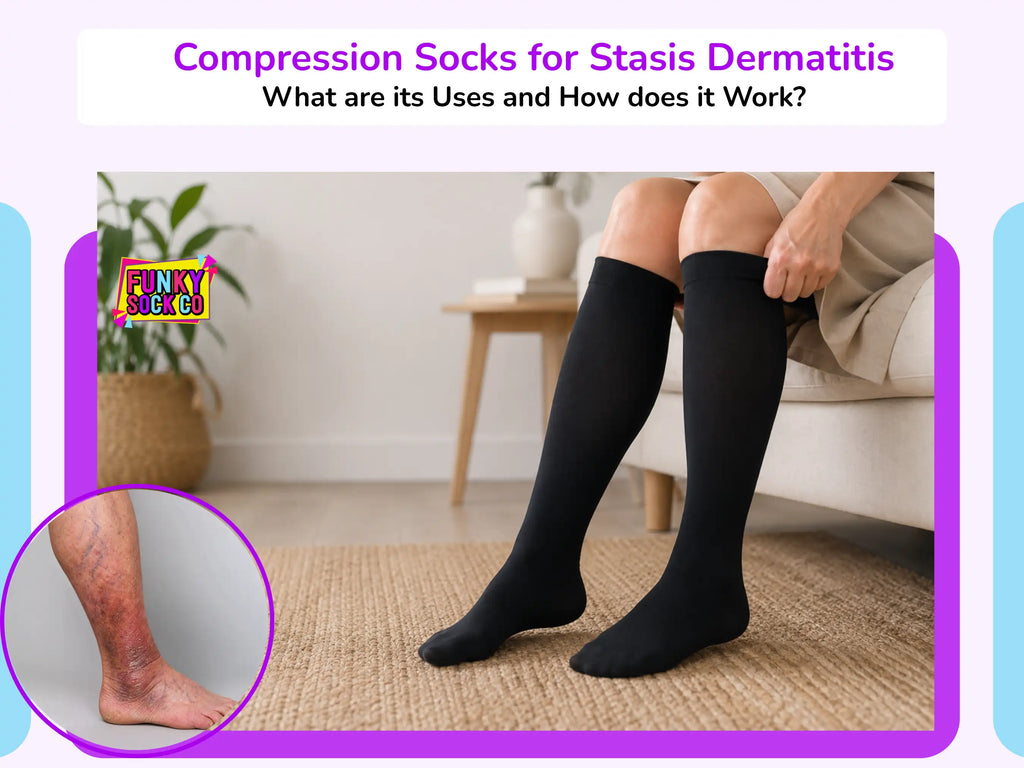
Compression Socks for Stasis Dermatitis: Benefits, Types, and How to Choose
Compression socks for stasis dermatitis use graduated pressure to improve venous return, reduce blood pooling, and help manage the venous hypertension and swelling associated with chronic venous insufficiency. By supporting circulation and controlling lower-leg swelling, compression can help relieve discomfort, improve symptoms, and support the management of venous skin changes and ulcer-related complications. The right compression level depends on symptom severity, skin changes, and...
