





-
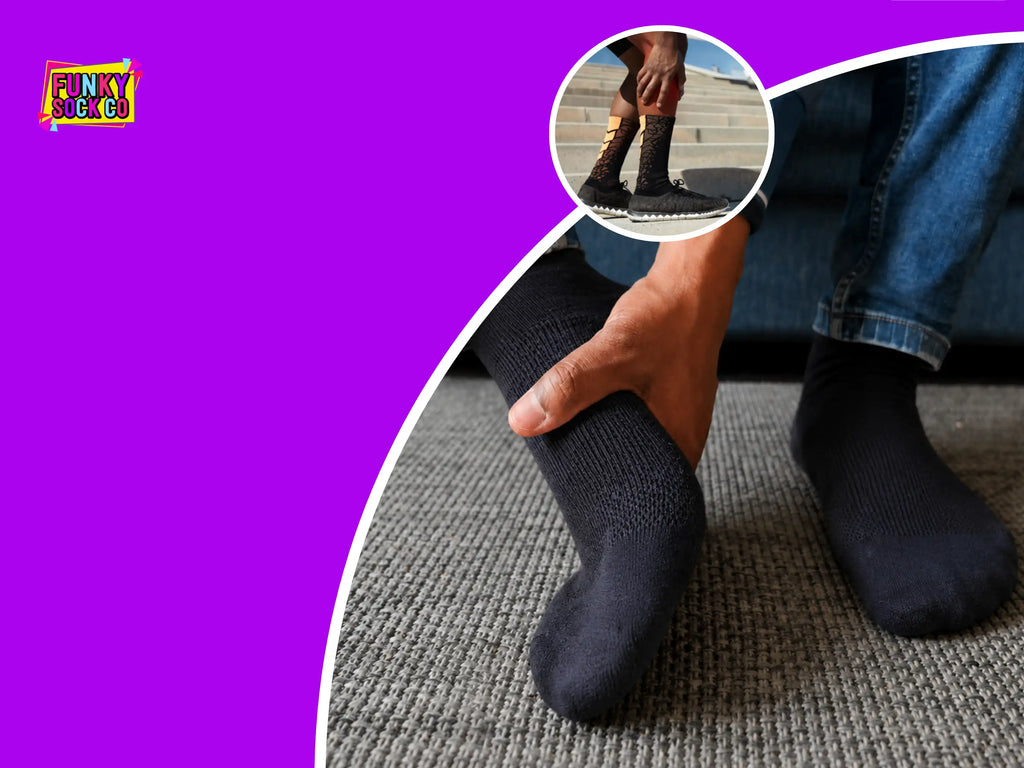
Compression Socks for Foot Pain Benefits, Uses and How to Choose
Compression socks can effectively relieve foot pain by improving blood circulation, reducing swelling, supporting tired feet, and easing pressure caused by prolonged standing. They are particularly beneficial for conditions such as plantar fasciitis, ball of foot pain, top of foot pain, and certain types of foot nerve pain when the correct compression level, sock length, and supportive features are selected. Choosing graduated compression, arch... -
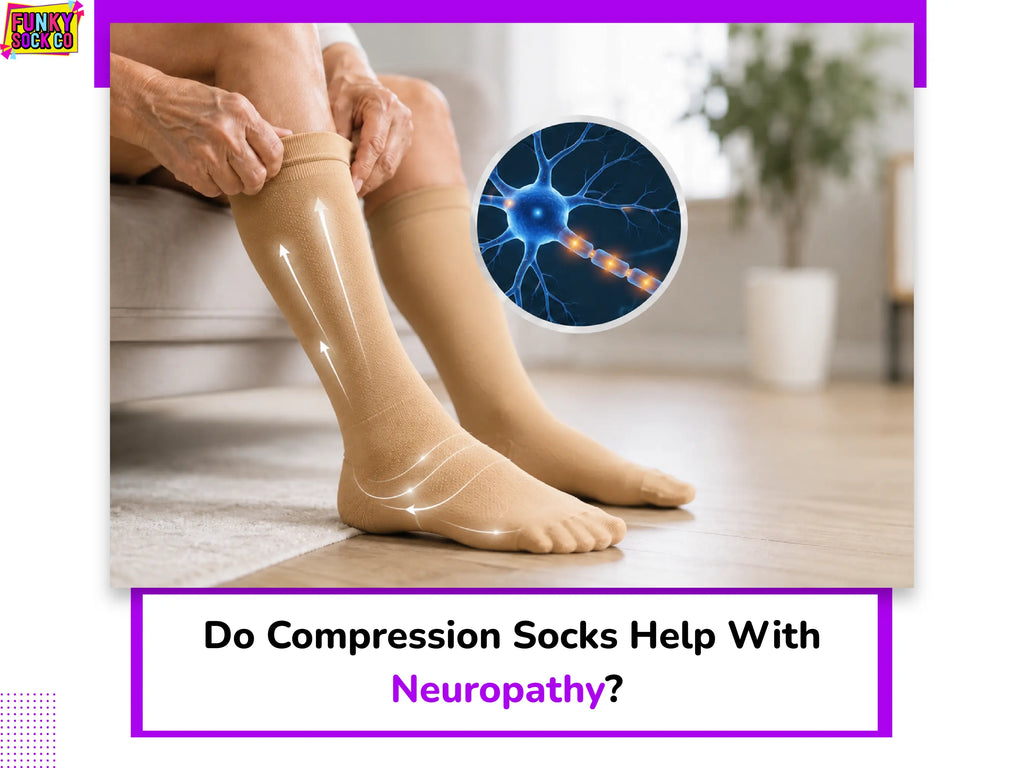
Do Compression Socks Help With Neuropathy?
Yes, compression socks can help manage certain circulation-related symptoms associated with neuropathy, but they do not cure neuropathy or repair nerve damage. By applying graduated compression, they help improve blood circulation, reduce swelling, minimise blood pooling, support oxygen delivery to the lower limbs, and relieve feelings of heaviness caused by poor circulation. These benefits can improve day-to-day comfort for some people with peripheral neuropathy... -
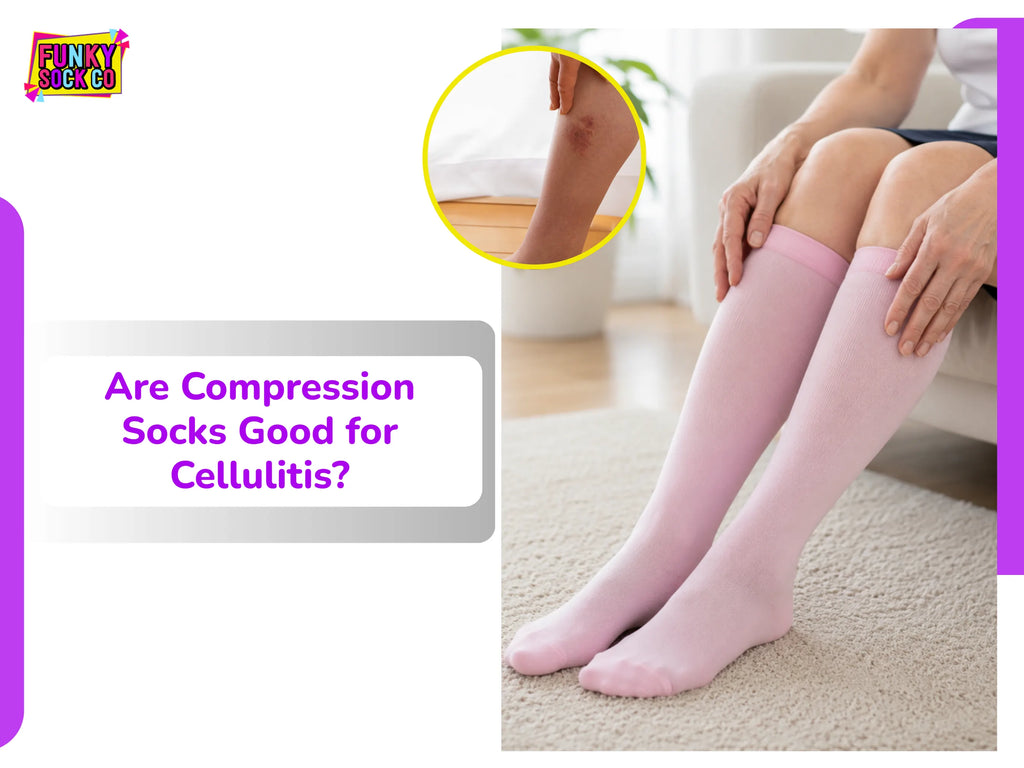
Are Compression Socks Good for Cellulitis?
Yes, compression socks are beneficial for cellulitis recovery, but they should not be worn during an active cellulitis infection because applying pressure to infected, inflamed skin can worsen discomfort and interfere with healing. Once the infection has completely resolved, compression therapy helps control swelling, improve circulation, and reduce the risk of recurrent cellulitis by preventing fluid buildup in the legs. After recovery, compression socks... -
Compression Socks For Low Blood Pressure: Do They Help?
Yes, compression socks help with low blood pressure by improving blood flow, supporting venous return, and helping prevent blood from pooling in the lower legs. However, they do not cure the underlying cause of low blood pressure and are best used as a symptom-management tool. They work through graduated compression, which applies the most pressure at the ankle and gradually decreases up the calf,...
