






-
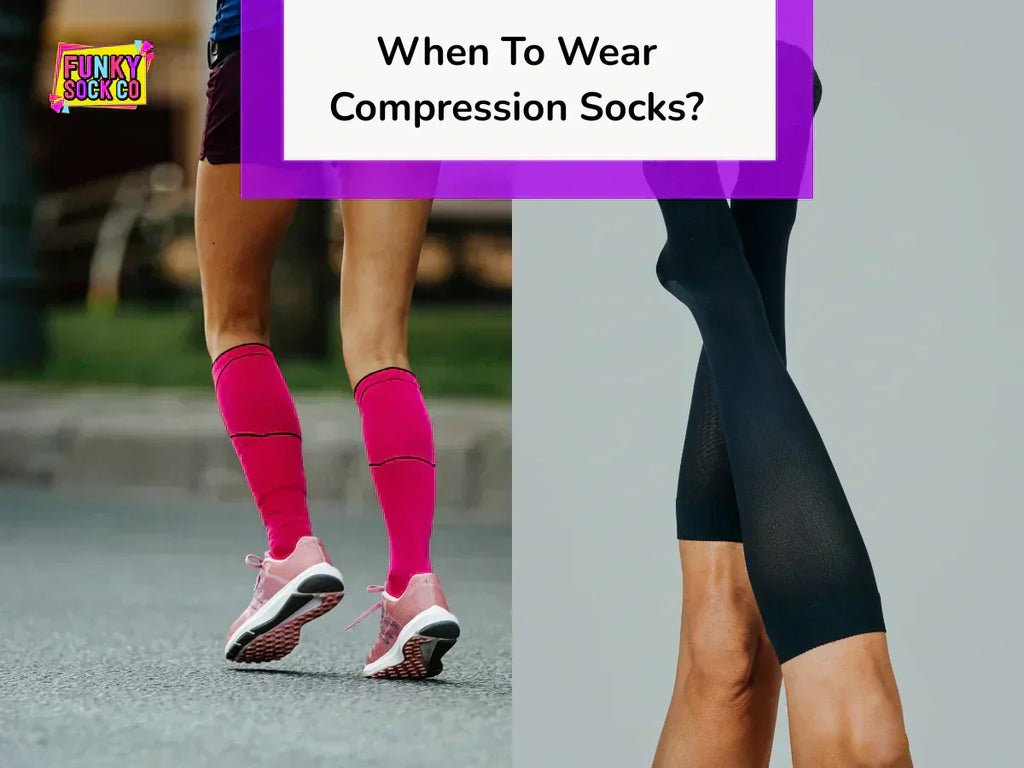
When To Wear Compression Socks?
Wear compression socks whenever your legs are exposed to prolonged pressure, reduced movement, or increased circulatory strain, such as during long workdays, physical activity, extended travel, pregnancy, recovery periods, or managing certain medical conditions. The ideal wearing time depends on the activity, compression level, and overall circulation needs. Some people wear compression socks during long shifts or travel, while others use them for muscle... -
How Long To Wear Compression Socks?
You should wear compression socks for 8–12 hours each day to support blood circulation, reduce swelling, and manage leg fatigue during daily activities. However, the ideal duration to wear compression socks depends on user type, activity level, and compression level. Wear compression socks all day if they fit properly, though most people should remove them before bed unless a medical condition requires overnight use.... -

Why Do Nurses Wear Compression Socks?
Nurses wear compression socks to reduce swelling, improve blood circulation, and prevent fatigue during long shifts that involve continuous standing and walking. These socks apply graduated pressure that supports leg veins, limits blood pooling, and maintains steady blood flow, which helps reduce discomfort such as tired legs, swelling, and heaviness. By improving circulation and controlling fluid buildup, compression socks also help prevent conditions such... -
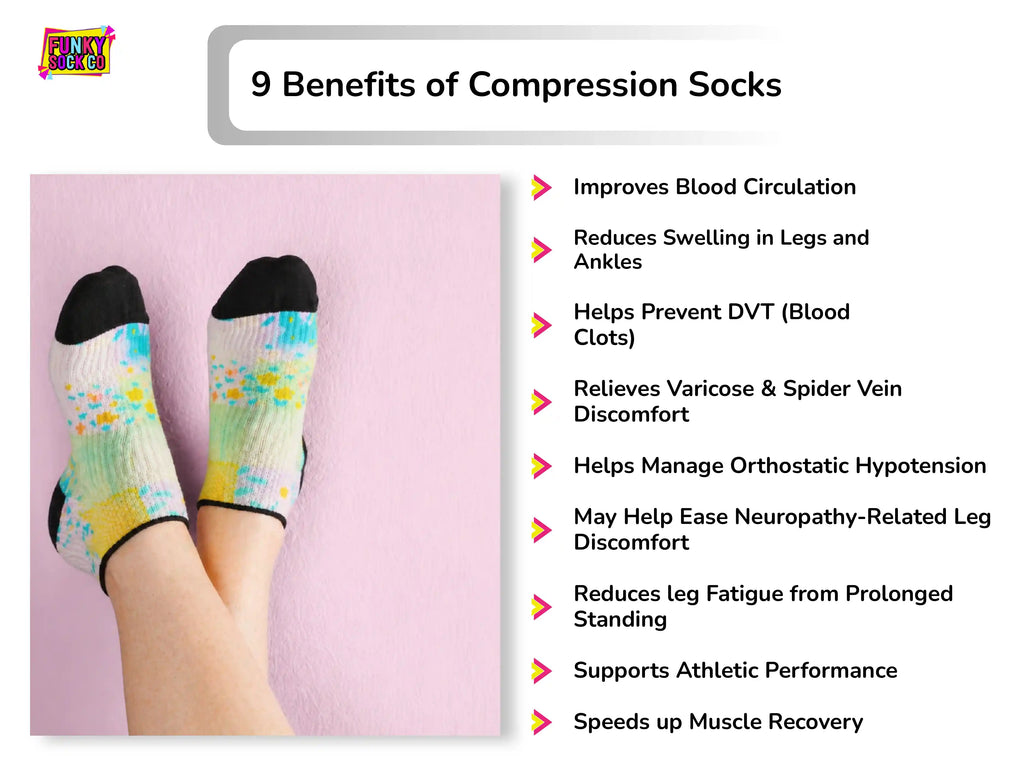
9 Benefits of Compression Socks
Compression socks provide targeted support to improve blood circulation, reduce swelling, and help prevent blood clots in the lower legs. By applying graduated compression, they help veins move blood efficiently toward the heart, especially during long periods of sitting or standing. This steady pressure reduces fluid buildup, supports vein function, and helps limit issues such as oedema, varicose veins, and leg fatigue. These benefits...
