






-
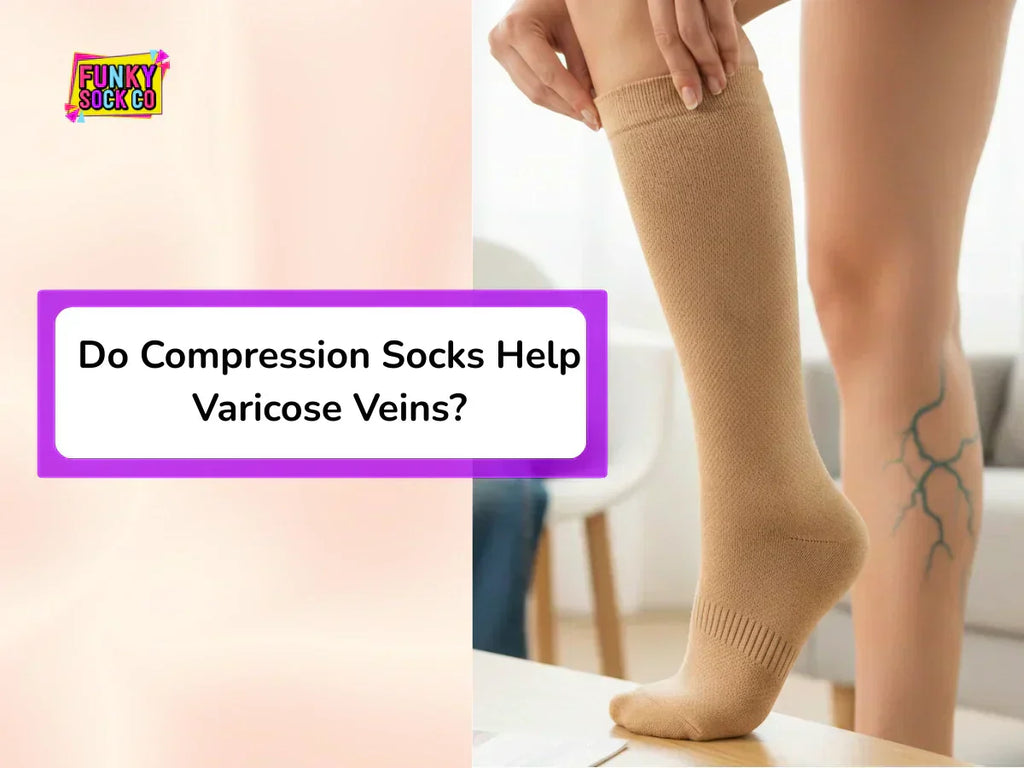
Do Compression Socks Help Varicose Veins?
Yes, compression socks help manage varicose veins by improving circulation, reducing leg and ankle swelling, lowering vein pressure, and easing heaviness and aching, especially during long periods of sitting or standing. To fully benefit from these effects, start by positioning the sock correctly, carefully insert the foot, pull it up gradually, adjust for comfort, and ensure a snug, wrinkle-free fit. Choosing the right size... -
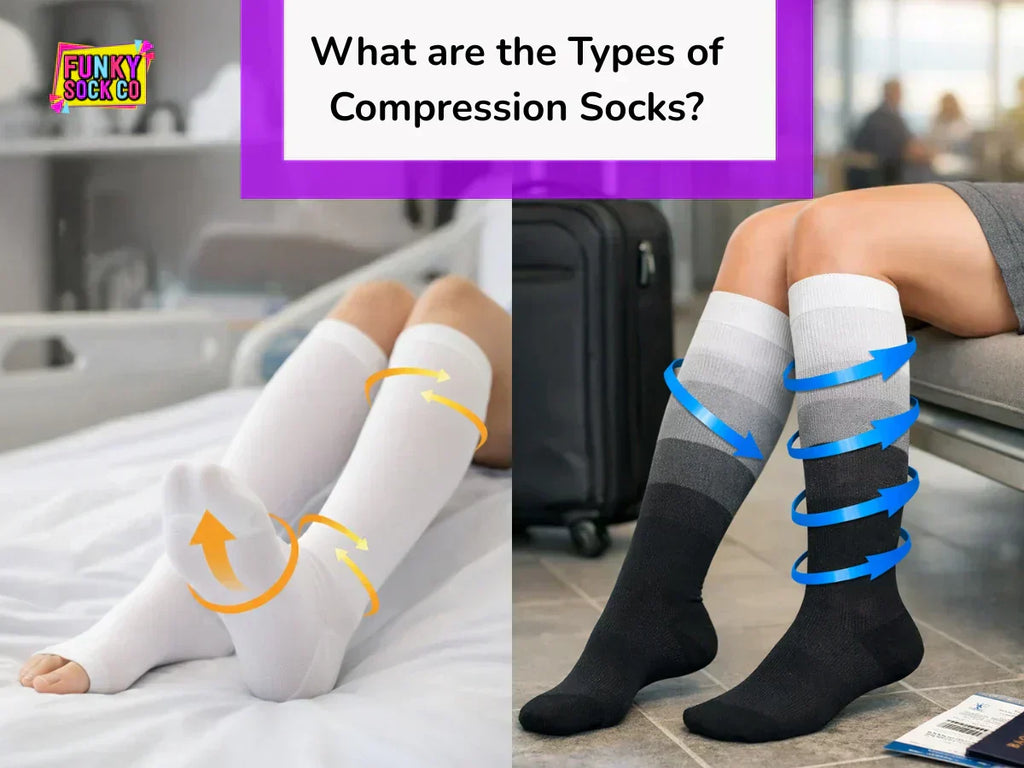
What are the Types of Compression Socks?
Compression socks are categorised by design, pressure level, and length to support circulation, manage swelling, and address venous conditions. By design, they include gradient compression socks for daily activities and travel, as well as anti-embolism socks used in medical settings for immobile or post-surgery patients to reduce the risk of DVT. Based on pressure, they range from very mild options for everyday comfort to... -
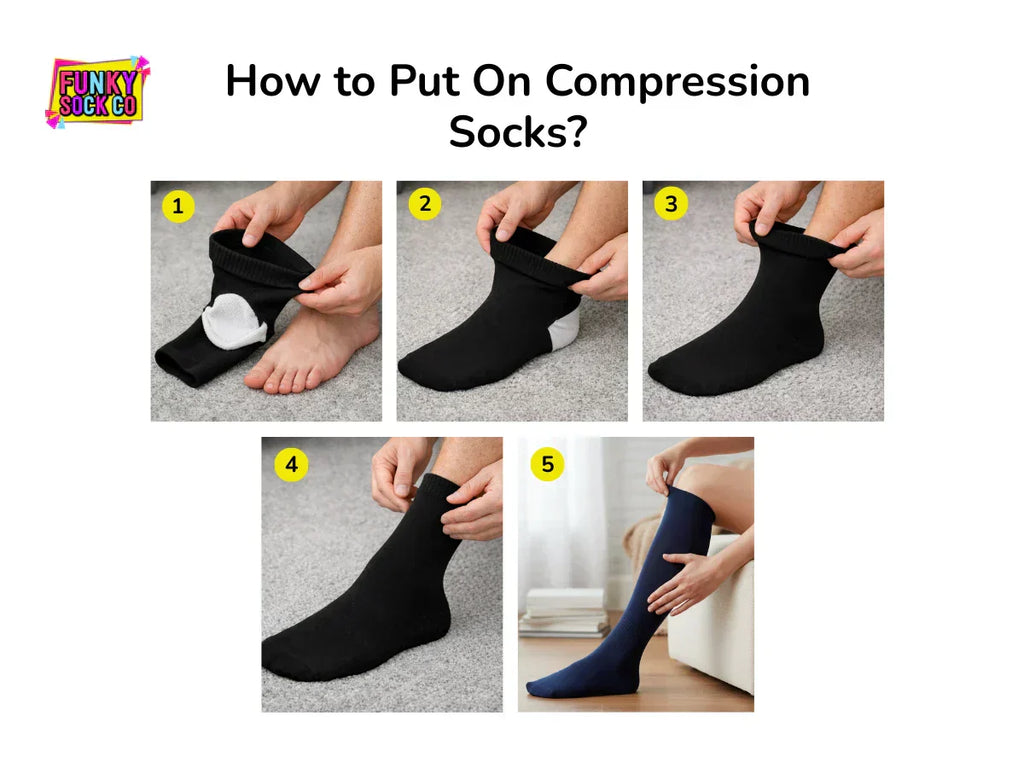
How to Put On Compression Socks?
To put on compression socks correctly, start by preparing and positioning the sock properly, then gently guide your foot into it, pull the sock up slowly, adjust it for a smooth fit, and finish by checking that the compression feels even and comfortable. Applying compression socks in the correct sequence helps reduce discomfort, protects the fabric from damage, and allows the compression to work... -
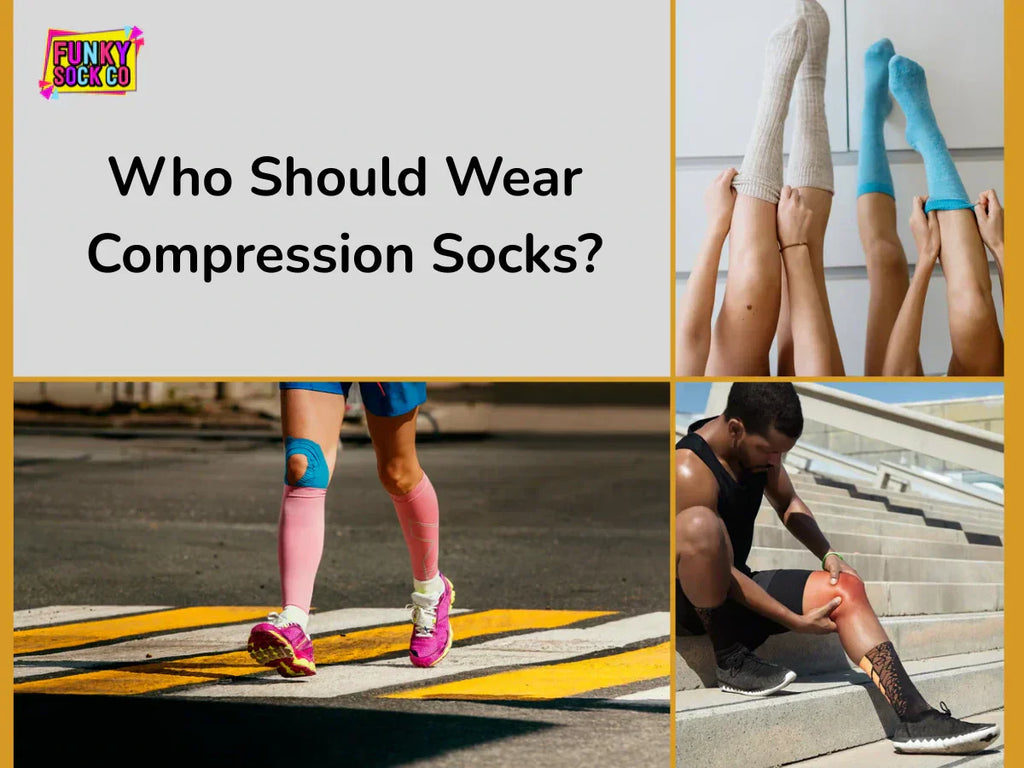
Who Should Wear Compression Socks?
Compression socks are for people who stand or sit for long hours (such as nurses, teachers, drivers, and office workers), athletes, frequent flyers and road travellers, pregnant women, and individuals managing circulation-related conditions, including varicose veins, deep vein thrombosis (DVT), and oedema. These groups commonly experience reduced leg circulation, fluid buildup, or muscle fatigue due to prolonged immobility, physical strain, hormonal changes, or vein...
