






-
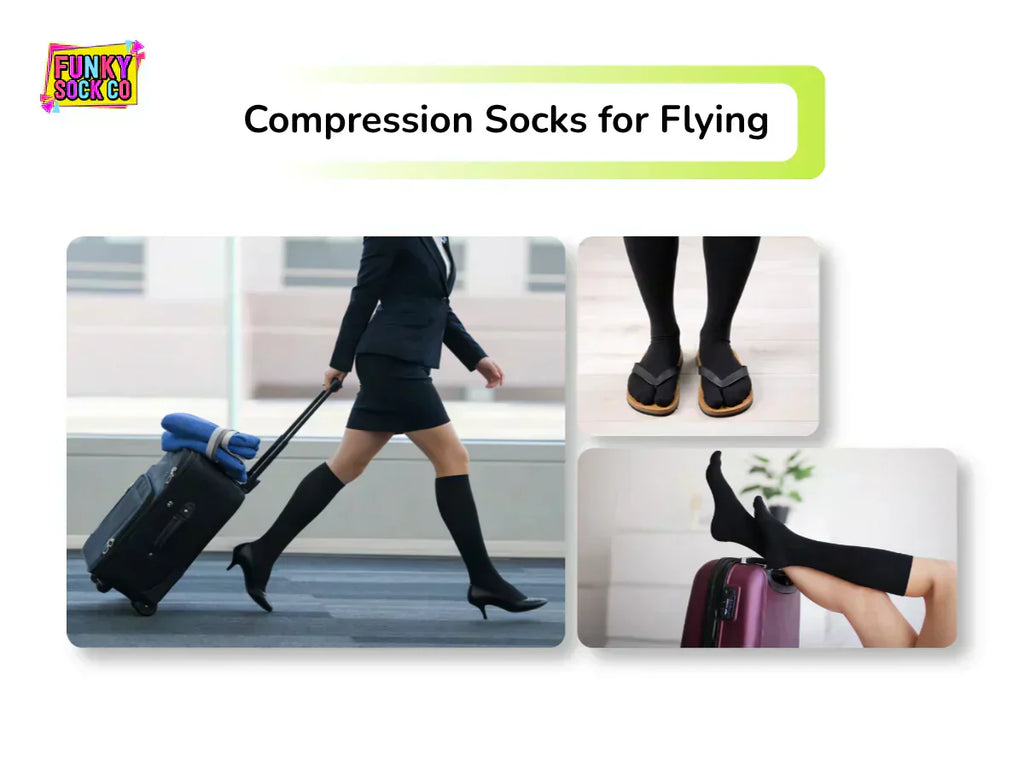
Compression Socks and Flying: Benefits, When to Wear, and What to Choose
Long flights make your legs feel swollen and uncomfortable due to prolonged sitting that slows circulation, and compression socks help improve blood flow, prevent blood pooling, reduce leg fatigue, lower the risk of blood clots, and minimize post-flight swelling. They work by applying graduated pressure from the ankle upward, supporting calf muscle function and limiting fluid build-up in the lower legs. This helps... -
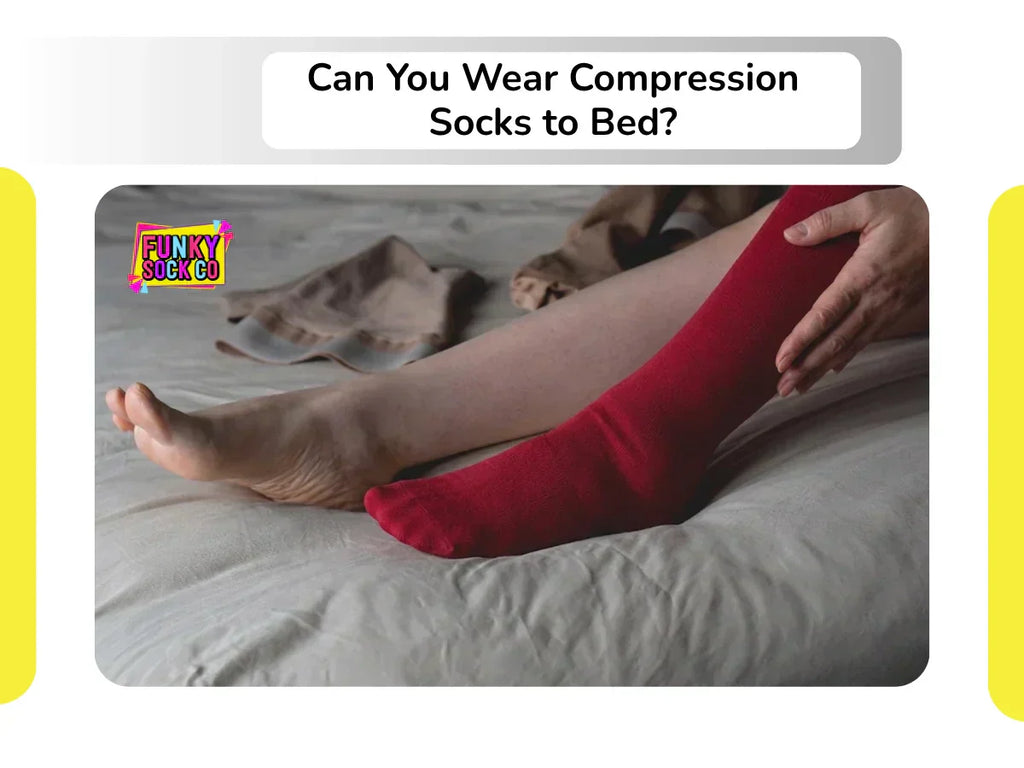
Can You Wear Compression Socks to Bed?
No, you should not wear compression socks to bed unless advised by a doctor for conditions such as venous ulcers, plantar fasciitis, and post-surgical recovery, where controlled compression helps improve circulation and promote healing. In most cases, compression socks are designed for upright use, and when you lie down, your body naturally supports blood circulation without needing added pressure. In fact, wearing them overnight... -
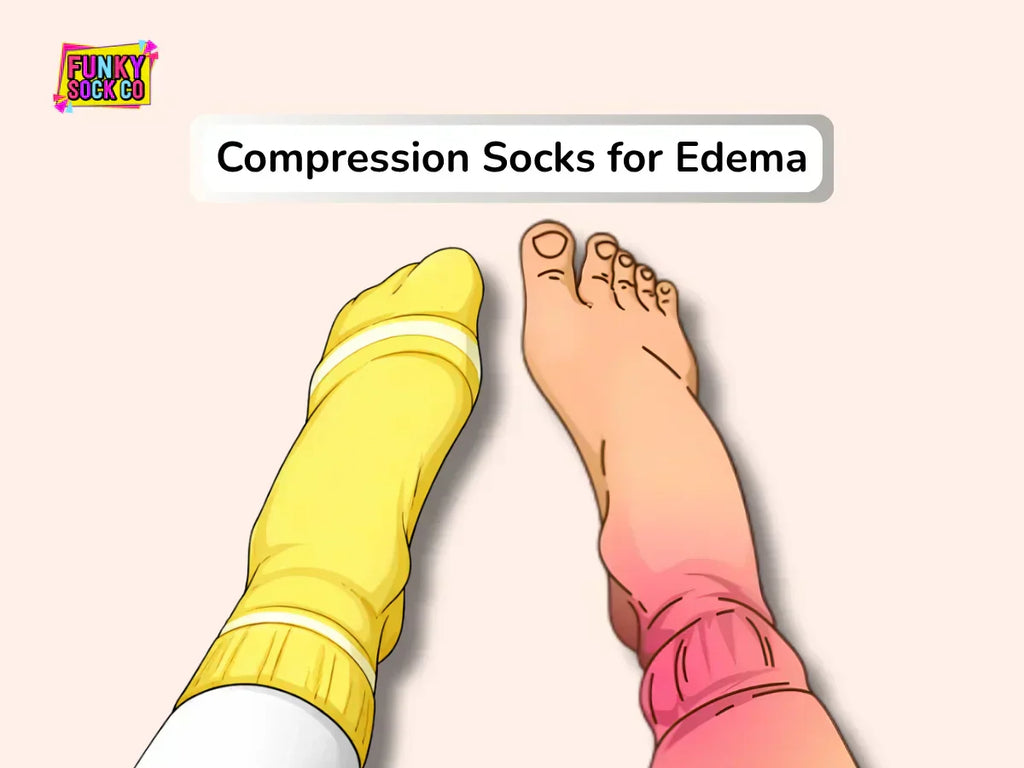
Compression Socks for Oedema
Compression socks are specially designed elastic garments that apply controlled, graduated pressure to the legs, ankles, and feet to improve blood circulation, helping reduce swelling and fluid retention associated with oedema and swollen ankles. Oedema, commonly present as swollen ankles and feet, is one of the most noticeable signs of fluid buildup in the lower legs. They reduce oedema by applying graduated pressure that... -
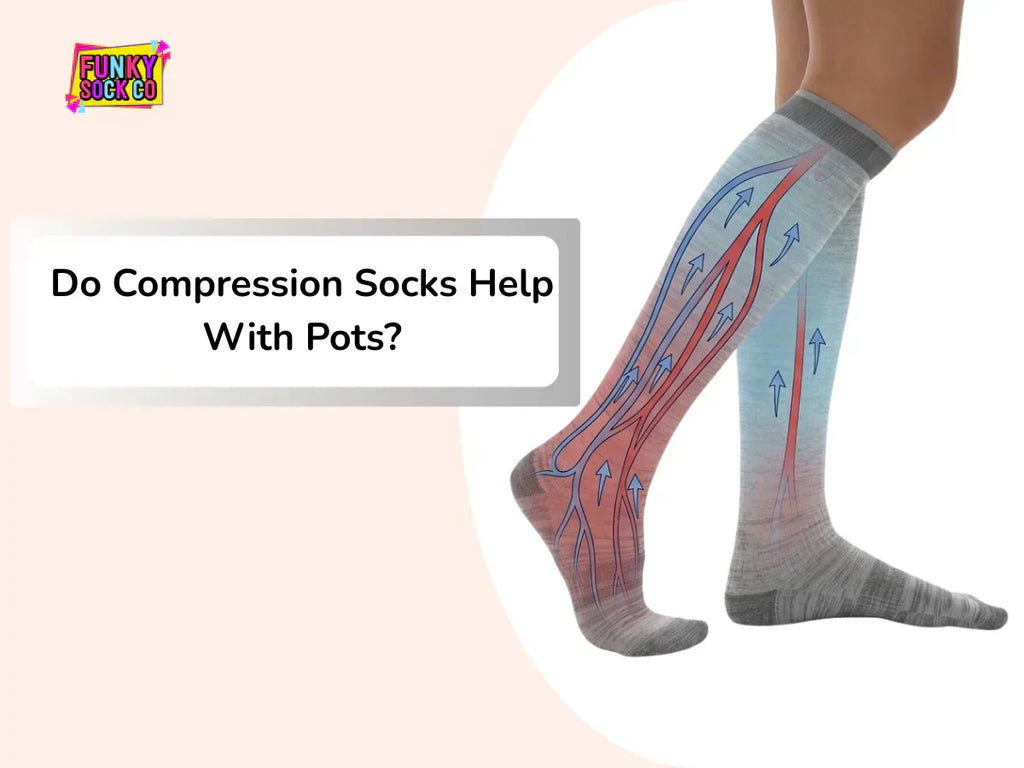
Do Compression Socks Help With POTS?
Yes, compression socks help manage POTS symptoms by applying graduated pressure to the legs, which improves blood circulation, limits blood pooling, and helps stabilize heart rate and blood pressure when standing. This helps reduce symptoms such as dizziness, lightheadedness, and fatigue upon standing, while improving standing tolerance, supporting clearer thinking, and relieving leg swelling or discomfort. Although they can make daily activities more manageable...
